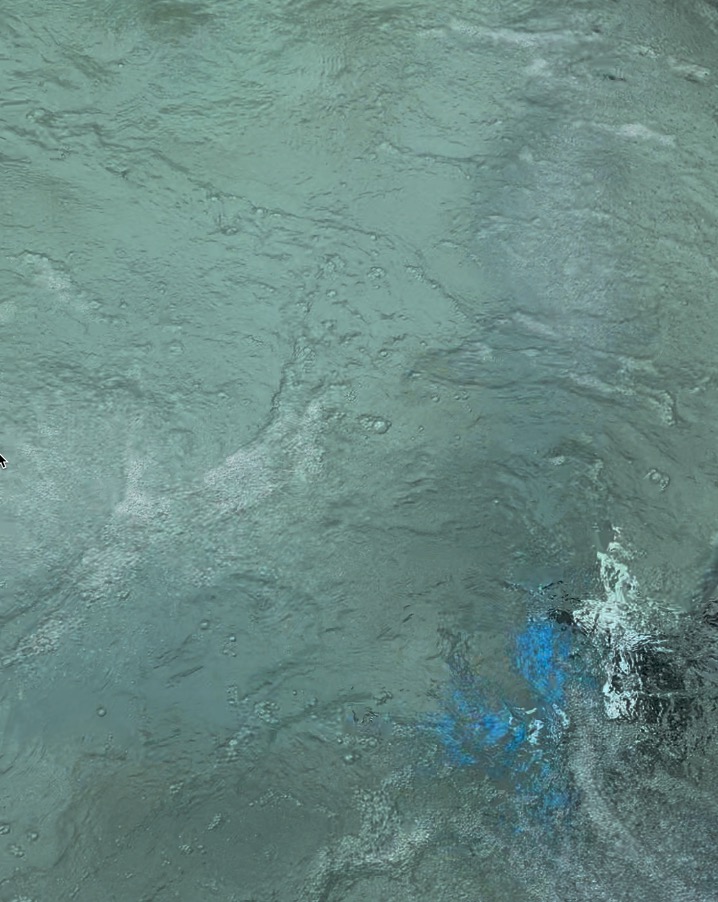
If you rely on rainwater tanks, bore water, dams or surface water storage, you may have noticed your drinking water occasionally looks cloudy, milky or dirty after heavy rain, strong winds or changes in water levels.
In many cases the culprit is colloidal clay: an extremely fine suspended particle that can remain floating in water for days, weeks or even months.
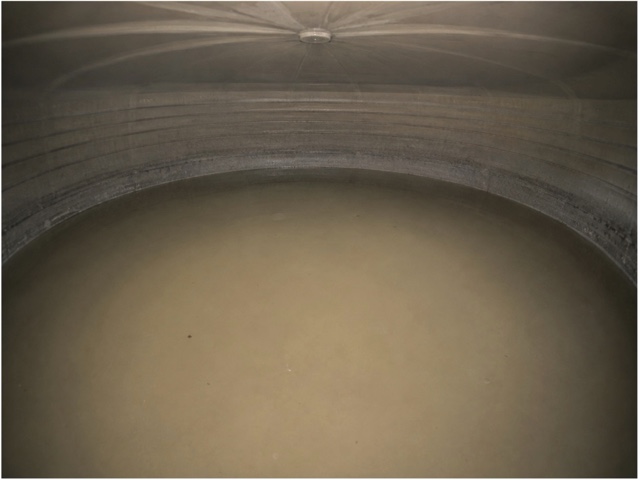
Unlike sand or sediment that quickly settles to the bottom of a tank, colloidal clay particles are so tiny they stay suspended in the water column, creating persistent turbidity and reducing water clarity.
While colloidal clay itself is not always dangerous, it can create significant water quality problems within stored drinking water systems.
What is colloidal clay?
Colloidal clay is made up of microscopic mineral particles suspended in water. These particles are usually introduced into rainwater tanks, dams, bores or storage reservoirs through:
- Heavy rainfall and runoff
- Soil erosion
- Dust entering roof catchments
- Disturbed bore water supplies
- Floodwater contamination
- Wind-blown fine sediment
- Construction or earthworks nearby
Because the particles are electrically charged and extremely small, they resist settling naturally. This is why water can remain cloudy long after sediment should have dropped out.
Why colloidal clay is a problem in drinking water
Many people assume cloudy water is simply an aesthetic issue. However, turbidity caused by colloidal clay can interfere with proper water treatment and disinfection.
Fine suspended particles can:
- Shield bacteria and microorganisms from disinfectants
- Reduce UV disinfection effectiveness
- Carry contaminants through pipework
- Harbour biofilm-forming organisms
- Cause staining and sediment build-up
- Reduce filter efficiency
- Create unpleasant taste and appearance issues
Research has shown that suspended particles in turbid water may protect bacteria, viruses and protozoa from chlorine and UV exposure.
This means water that appears only slightly cloudy may still present microbial risks if not properly treated.
Common signs of colloidal clay in tank water
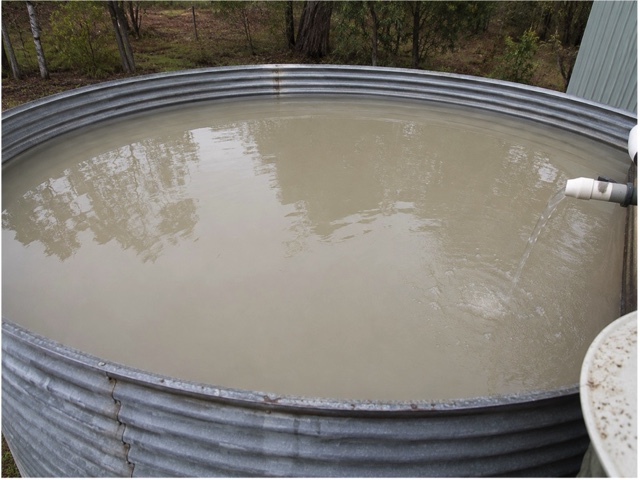
- Persistent cloudiness. Water remains cloudy even after standing for several days.
- Milky or grey appearance. Water may appear white, grey, brown or slightly yellow depending on the clay source.
- Filters blocking quickly. Sediment cartridges become dirty or clogged faster than normal.
- Reduced UV performance. UV systems may struggle to achieve effective disinfection when turbidity levels rise.
- Sludge accumulation. Over time, fine clay particles settle into tank bottoms and pipework dead zones.
Rain events often trigger the problem
One of the most common causes of colloidal clay entering stored drinking water systems is heavy rainfall.
During storms, roof catchments and surrounding ground areas can wash fine clay and soil particles into gutters, downpipes and tanks. Rural properties are particularly vulnerable where:
- Roofs accumulate dust
- Gutters contain organic matter
- Tanks are connected to ground runoff
- Bore water becomes disturbed after rain
- Dams experience erosion
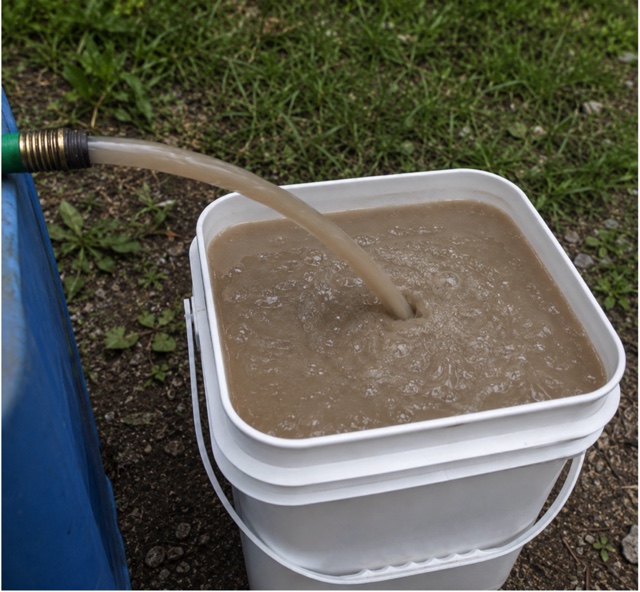
Even a clean-looking roof can contribute surprisingly high amounts of microscopic sediment during the first flush of rainfall.
Why standard sediment filters sometimes struggle
Traditional sediment filters are designed to remove larger particles such as sand, grit and visible sediment.
Colloidal clay is different.
Because these particles are microscopic and electrically stable, they can pass through many standard cartridge filters, especially when the particles are below 1 micron in size.
This is why some households continue experiencing cloudy water even after installing filtration systems.
The importance of proper water treatment
Managing colloidal clay in drinking water often requires a combination of:
- Sediment pre-filtration
- Correct micron filtration
- Tank maintenance
- First-flush diversion systems
- Appropriate oxidisation and disinfection
- UV sterilisation
- In some cases, flocculation or coagulation treatment
Water treatment systems should always be designed based on:
- Water source
- Turbidity levels
- Flow rate
- Microbial risk
- Seasonal conditions
There is no “one size fits all” solution.
Can colloidal clay affect health?
Clay minerals themselves are not always considered highly toxic. However, the larger concern is what these suspended particles may carry or protect.
Studies indicate that suspended particulates in drinking water can adsorb and transport:
- Bacteria
- Viruses
- Organic contaminants
- Metals
- Biofilm organisms
High turbidity can also reduce the effectiveness of water disinfection systems.
For this reason, cloudy drinking water should never simply be ignored.
Protecting your stored drinking water
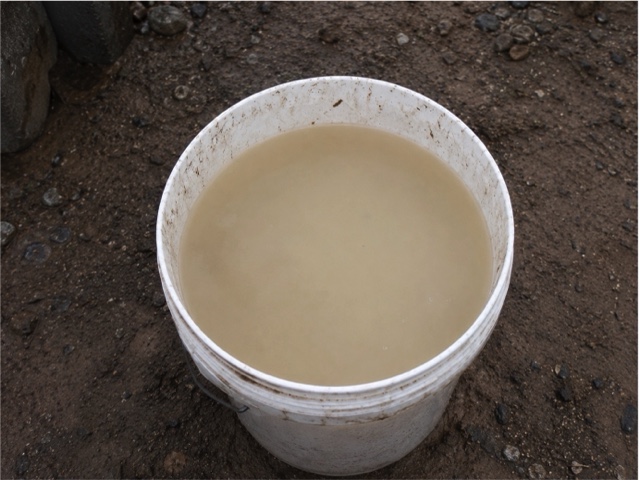
If your property relies on stored water, regular monitoring and maintenance are essential.
Simple preventative steps may include:
- Cleaning gutters regularly
- Installing first-flush diverters
- Inspecting tank inlets and screens
- Periodic tank cleaning
- Replacing filters on schedule
- Monitoring turbidity after rain events
- Ensuring UV systems are correctly sized and maintained
If water remains cloudy for extended periods, professional water testing and treatment assessment may be recommended.
Clear water starts at the source
Stored drinking water systems can provide excellent quality water when properly maintained. But when colloidal clay enters the system, it can create ongoing clarity, filtration and microbial challenges that standard sediment control may not fully address.
Understanding the source of turbidity is the first step toward protecting your household water quality.
Whether your water comes from rainwater tanks, bores, dams or mixed rural supplies, maintaining low turbidity is critical for both effective filtration and safe disinfection.